Best Native Plants for Low Maintenance Landscaping in Riverview FL
By Roseline DeHart
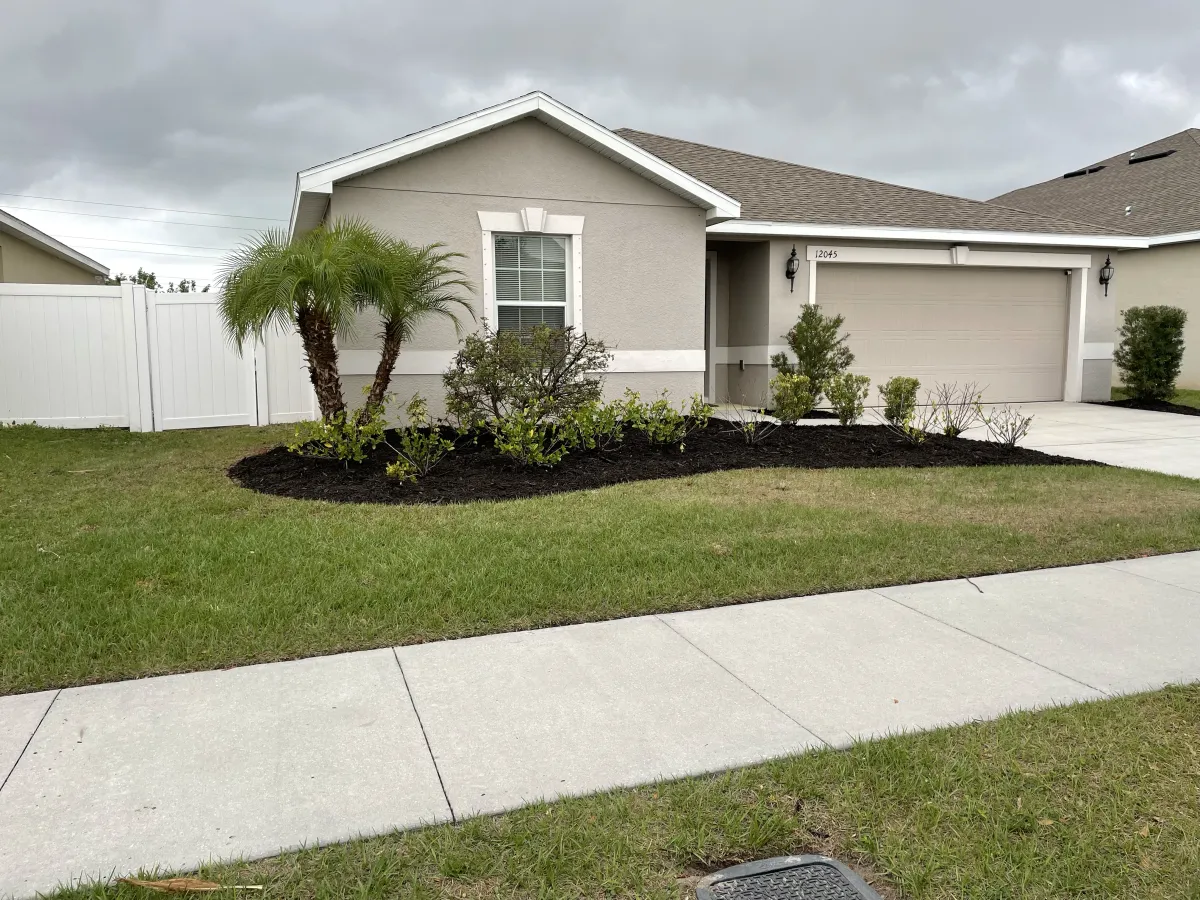
If you live in Riverview, Florida, you know exactly how brutal the summer heat, intense humidity, and heavy daily rains can be on your yard. Choosing the right plants is the absolute secret to a beautiful yard that does not require constant watering, pruning, or expensive chemical treatments. The easiest way to achieve this? Go native. By utilizing plants that naturally thrive in our specific environment, you can create a stunning, resilient landscape that practically takes care of itself.
Why Choose Native Florida Plants?
Native Florida plants have adapted over thousands of years to our specific sandy soil types, extreme rainfall patterns, and local pests. Once established, they require significantly less water and fertilizer than exotic species brought in from other climates. This makes them the perfect choice for low-maintenance landscaping that saves you time, lowers your water bill, and protects the local environment from excess fertilizer runoff. Whether you are planting a new bed in Sun City Center or redesigning a front yard in Apollo Beach, native plants offer unbeatable resilience.
Practical Tip: Group plants with similar water and sunlight needs together in your landscape beds; this "hydro-zoning" prevents overwatering drought-tolerant natives while ensuring thirsty plants get enough moisture.
Top Native Plant Choices for Riverview Landscapes
1. Coontie (Zamia integrifolia): This native cycad is incredibly drought-tolerant and provides a beautiful, lush tropical look. It is a slow grower that thrives in both blistering full sun and deep shade, making it highly versatile for any landscape design. It is also the sole food source for the rare Atala butterfly.
2. Firebush (Hamelia patens): A fast-growing, large shrub that produces bright red, tubular flowers year-round. It is highly drought-tolerant once established and is an absolute magnet for hummingbirds and butterflies. It requires very little supplemental watering and thrives in the intense summer heat.
Practical Tip: Prune Firebush heavily in the late winter to encourage dense, bushy growth and maximum flower production during the spring and summer.
Adding Texture and Color with Native Grasses and Shrubs
3. Muhly Grass (Muhlenbergia capillaris): If you want spectacular fall color, this ornamental grass is a must-have. It produces stunning, cloud-like pink to purple plumes in the autumn. It is highly resilient, handles poor sandy soil beautifully, and adds incredible texture and movement to any landscape bed.
4. Beautyberry (Callicarpa americana): A versatile, sprawling shrub that can handle full sun or partial shade under large oak trees. It is famous for producing tight clusters of vibrant, metallic purple berries in the late summer and fall, providing essential food for local songbirds.
Practical Tip: Cut Muhly grass back to about 6 inches above the ground in late winter (February) to remove dead foliage and make room for vibrant new spring growth.
The Structural Importance of Native Palms
5. Sabal Palm (Sabal palmetto): The state tree of Florida. It is incredibly hurricane-resistant, salt-tolerant, and requires zero irrigation once established. It provides that classic Florida silhouette without the high maintenance requirements of exotic palms. They are practically indestructible once rooted and provide excellent structural elements to any landscape design.
Practical Tip: Avoid "hurricane pruning" (removing green, healthy fronds) on Sabal palms; this stresses the tree, removes its food source, and actually makes it more susceptible to wind damage.
Designing a landscape with native plants requires understanding soil types, mature plant sizes, and sunlight exposure. If you are ready to upgrade your yard to a low-maintenance paradise, our landscaping team can help you design and install the perfect native garden.
Frequently Asked Questions
Do native plants look messy or wild?
Not at all! This is a common misconception. When properly placed and maintained, native plants can look just as manicured and formal as exotic species. We can design a landscape that utilizes native plants in a clean, structured layout.
Will I ever have to water native plants?
Yes, during the initial establishment period (usually the first 3 to 6 months), native plants require regular watering to develop deep root systems. However, once established, they typically survive entirely on natural rainfall, except during severe, prolonged droughts.
Are native plants resistant to all pests?
While they are highly resistant to local pests and diseases, no plant is completely immune. However, native plants rarely suffer catastrophic damage from pests and usually recover quickly without the need for harsh chemical pesticides.